
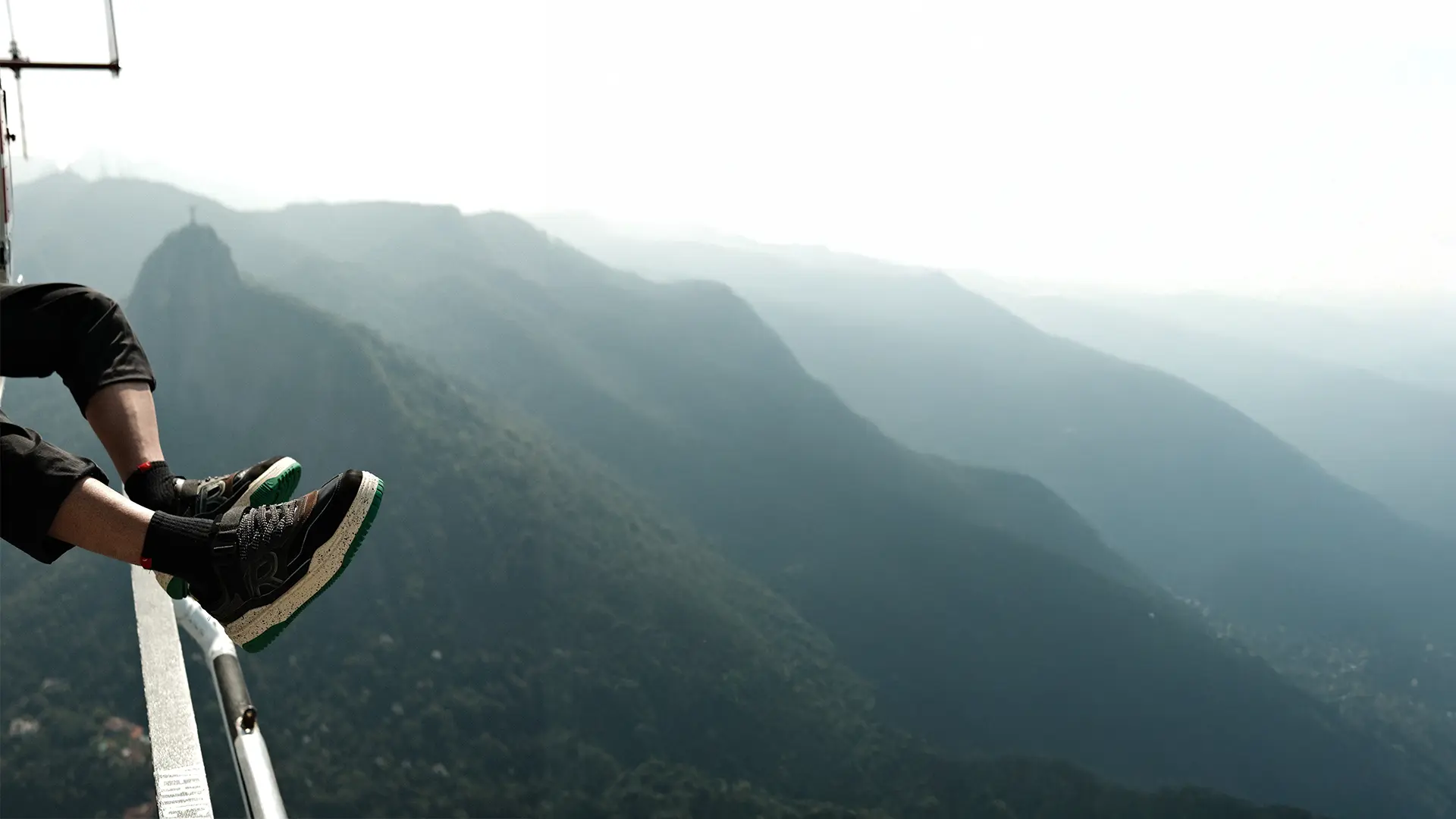
There's no perfect time to fly a helicopter over Rio. There's the best time for the kind of experience you're looking for, as long as the weather cooperates.
Throughout the day, the light changes, the shadows shift, and even the colors of the sea and the mountains look different. The same route flown at 9 a.m., 2 p.m. or late in the afternoon can feel like three different tours. That's why it's worth understanding what each time of day offers before choosing your slot.
In this guide, you'll see what it's like to fly in the morning, in the afternoon and at sunset, which time gives you the best photos, why the weather matters more than the clock, and the strategy that keeps you from going home without having flown. There's one tip worth more than any time slot, and we'll get to it.
Quick summary
- Morning: milder temperatures and soft light. Ideal for a calm experience and for anyone who likes to start the day with something memorable.
- Afternoon: intense ocean colors. Ideal for vibrant photos of the coastline, beaches and lagoons.
- Sunset: warm tones that bring out the shape of the mountains. Ideal for couples, special occasions and photos with a different look.
- At any time: the weather is in charge. Book in the first days of your trip so you have room to reschedule.
Flying in the morning
Mornings tend to bring milder temperatures and, at times, a soft, pleasant light over the city. It's when Rio is still waking up: the beaches start to fill, traffic picks up and the city seen from above feels calmer.
For first-time helicopter flyers, this calmer atmosphere helps. The midday heat hasn't arrived yet, waiting at the terminal is more comfortable and the experience tends to feel more relaxed from start to finish.
There's also a strategic advantage: booking a morning slot in the first days of your trip gives you room to reschedule if the weather doesn't cooperate. If the flight has to be postponed, you still have the rest of the day and the following days to fit in another attempt without disrupting your itinerary.
Another plus: flying early leaves your afternoon free. You can spend the rest of the day visiting up close the places you've just seen from above, such as Rodrigo de Freitas Lagoon, the Botanical Garden or the beaches of the South Zone.
Flying in the afternoon
With the sun higher in the sky, the sea usually takes on intense shades of blue and green, and the coastline looks especially beautiful from above. It's when the contrast between the water, the sand and the green of the mountains stands out the most.
If you want photos of beaches like Ipanema, Leblon, Copacabana and Barra da Tijuca, the afternoon usually produces very colorful images. The Barra lagoons and Rodrigo de Freitas Lagoon also stand out at this time of day.
Keep in mind that the sun's position changes throughout the year. The same hour in July and in January can produce very different light. In summer, afternoons are longer and the sun stays high for longer. In winter, the low light arrives earlier and late afternoon begins sooner.
It's also worth considering the heat. During Rio's summer, afternoons can be very hot, so bring water, wear sunscreen and choose light, comfortable clothes for the wait before boarding.
Flying at sunset
This is one of the most sought-after times. The low light bathes the city in golden tones and highlights the shape of the mountains, a setting much loved by couples, people celebrating a special occasion and anyone looking for photos with a unique aesthetic.
At this moment, Pedra da Gávea, Dois Irmãos Hill and the Tijuca massif cast long shadows that add depth to the landscape. The sea reflects the orange sky and the city seems to change color minute by minute. It's a flight many people describe as the highlight of their trip.
Because it's so popular, sunset usually has fewer open slots. If this is the flight you want, book in advance to increase your chances of getting a spot on the right date.
Note: sunset time in Rio varies by more than an hour between winter and summer. If this is the experience you want, check the available times for your travel date. And remember to arrive at least 60 minutes before takeoff, because check-in and the safety briefing are part of the process, and the sun won't wait.
Which time is best for photos?
It depends on the photo you want:
- Sea and beaches: look best in strong sunlight, which brings out the colors of the water.
- Mountains and terrain: gain depth with a lower sun, which creates shadows.
- Romantic mood and a colorful sky: sunset is unbeatable.
Timing matters, but it doesn't decide everything on its own. Visibility, clouds and your seat inside the aircraft also affect the result. A clear morning, for example, can produce better photos than a hazy late afternoon.
A few simple tips help at any time of day: make sure your phone is charged and has free storage, turn off the flash, record videos as well as photos and, above all, set aside a few minutes to simply take in the view without a screen in between.
And if photos are your priority, consider a doors-off flight, which eliminates glass reflections and puts your camera in direct contact with the landscape.
Weather matters more than timing
In practice, yes. You can choose the ideal time for photography and still run into clouds, rain or poor visibility. That's why you should think about timing and the weather forecast together.
Rio's weather can change quickly. A day that starts cloudy can clear up by mid-morning, and a sunny afternoon can suddenly turn with a passing shower. Following the forecast in the days before your flight helps you keep realistic expectations, but the final takeoff decision is always made based on conditions at the time.
And one rule never changes: operational safety always comes before perfect light. Vertical Rio does not take off below minimum safety conditions. If the weather doesn't allow it, the flight is rescheduled, and that's there to protect you.
The golden tip: book at the start of your trip
This is the most important strategy in this post.
Imagine a five-day trip. If your flight is booked for the last day and the weather doesn't allow takeoff, there's no time left to reschedule. If it's booked for the second day, you still have three more days as backup.
Many people leave the helicopter tour for the end of their trip, as a kind of grand finale. It's a lovely idea, but a risky one. Flying early has another advantage too: you see the whole city from above and get a better sense of Rio's geography, which helps you plan the following days.
Having flexibility in your schedule matters more than the perfect time slot.
And if the weather doesn't allow it, don't worry: Vertical Rio reschedules your flight or gives you a full refund. Cancellation is also free up to 48 hours before the flight.
Can you guarantee a cloud-free view of Christ the Redeemer?
No, and be wary of anyone who promises that. Conditions around Corcovado change quickly. Even on sunny days, clouds can form around the monument out of nowhere. No company can guarantee a fully visible Christ the Redeemer at a specific time.
What helps is improving your odds: booking at the start of your trip, following the forecast and keeping an open mind. Sometimes Christ the Redeemer appears through the clouds, and that image ends up being one of the most beautiful of the flight. And even when it's covered, the route has plenty of other postcard views, such as beaches, lagoons and mountains.
So, what's the best time?
It's the one that brings together good weather, the experience you're looking for and room in your schedule:
- A calmer experience: morning.
- Intense ocean colors: afternoon.
- A romantic mood and golden tones: sunset.
Whatever time you choose, go for the first days of your trip and leave some slack to reschedule if needed. With this strategy, you greatly increase your chances of flying on the right day with the view you imagined.
If you're still unsure, think about what you want to take away from the flight: colorful photos of the coastline, a special moment for two or simply a calm first helicopter experience. The answer usually points to the right time.
👉 See available times and book your tour with Vertical Rio
Read also: Helicopter Tour in Rio de Janeiro: Complete Guide for 2026 and Doors-Off Helicopter Tour in Rio de Janeiro: What to Expect Before You Fly
Frequently asked questions
Is it better to fly in the morning or in the afternoon?
Both offer great experiences. The difference lies in the light, the temperature and the weather on the day. Mornings tend to be milder and calmer, while afternoons bring out the colors of the sea.
Can I fly at sunset?
It depends on available slots, the time of year and operating conditions. Since it's one of the most popular times, it's worth booking in advance.
Does the tour happen if it's cloudy?
We only take off in safe weather conditions. If your flight is cancelled due to weather, you can reschedule or receive a full refund.
Can I cancel if I change my mind?
Yes. Cancellation is free up to 48 hours before the flight.
How early should I arrive?
Arrive at least 60 minutes before takeoff. This time is used for check-in, weighing and the safety briefing.
What's the best day of the trip to fly?
The first few days. That way, if the weather doesn't cooperate, you still have room to reschedule before you leave.
Is there a best time of year to fly?
Rio has incredible views all year round. What changes from one day to the next is the weather. That's why schedule flexibility is so important.