
Is a Helicopter Tour in Rio Safe? What to Check Before You Fly
Seeing Rio de Janeiro from a helicopter is an experience hard to compare to anything else the city has to offer. In just a few minutes, Christ the Redeemer, Sugarloaf Mountain, Copacabana, Ipanema, Leblon, the Tijuca Forest, the mountains and the ocean all become part of the same view.
It's no surprise that a helicopter tour in Rio de Janeiro is one of the experiences most searched for by travelers researching what to do in Rio.
But before choosing between a 30- or 45-minute flight, comparing routes, photos or prices, there's a more important question:
is a helicopter tour in Rio de Janeiro safe?
The responsible answer isn't found in a marketing tagline, a beautiful photo, or a single seal of approval.
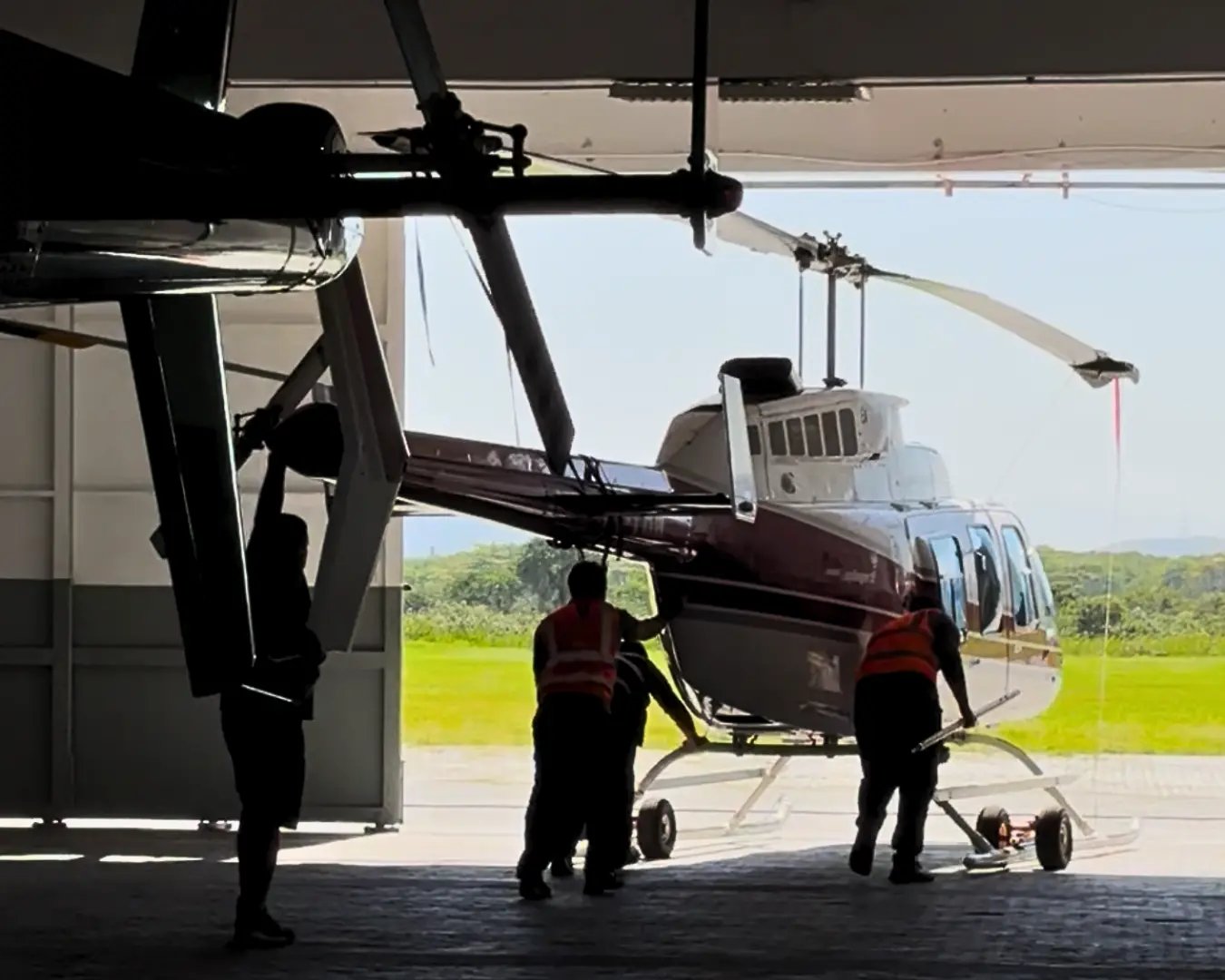
The safety of a scenic flight is the result of a system that involves the aircraft, the air operator, the pilots, maintenance, planning, weather conditions, procedures, equipment and technical decisions made before every takeoff.
For the passenger, the experience begins at boarding.
In aviation, it begins much earlier.
What makes a helicopter tour safe?
A safe helicopter tour is one carried out within a structured operation, with a suitable aircraft, qualified professionals, maintenance, planning and procedures appropriate to the type of flight.
Before the helicopter leaves the ground, several factors need to be considered. Weather conditions are assessed. The aircraft is prepared. Weight and balance are calculated. The operation is planned and technical decisions are made.
Much of this work never shows up in the photos posted on social media.
And that's exactly where one of the most important points lies for anyone choosing a scenic flight.
Two experiences can look almost identical in a photo over Christ the Redeemer and be very different behind the scenes.
Safety in aviation isn't just what the passenger can see. It's mostly everything that needs to work correctly before they even board.
Who actually operates your helicopter flight?
One of the first things worth knowing before booking a helicopter flight in Rio de Janeiro is who is behind the air operation.
The company responsible for the tourism experience and the company responsible for operating the aircraft may play different roles. What matters is that this relationship is transparent to the passenger.
You should be able to understand who operates the flight, which aircraft will be used, and what operational structure stands behind the experience you're booking.
In August 2026, a report by O Globo on safety in adventure tourism in Rio de Janeiro reinforced just how important it is for travelers to seek out this kind of information.
In the report, Pedro Gonçalves, CEO of Vertical Rio, highlighted the importance of passengers knowing information related to the operation's and the aircraft's documentation.
That leads to a better question than simply:
“Does this company say it's safe?”
Passengers can ask:
“How can I understand and verify the structure behind this flight?”
Transparency is also part of trust.
How to check a helicopter with ANAC?
In Brazil, civil aviation is regulated by the National Civil Aviation Agency, ANAC.
Every aircraft has a registration, usually identified by its tail number. With that information, you can look up the aircraft's data in the Brazilian Aeronautical Registry, the RAB.
So if you're researching how to check a helicopter with ANAC or want to know more about the aircraft used on your flight, you can ask the company responsible for the experience for the tail number.
Checking the RAB helps increase transparency about the aircraft.
But here's an important point: checking the helicopter alone doesn't tell the whole story.
You also need to understand who is running the operation, how the aircraft is used, and what procedures are part of that flight.
In aviation, safety doesn't depend on a single piece of information. It depends on the whole picture.
Why is there a briefing before a helicopter tour?
Before boarding a helicopter, passengers should receive guidance related to the experience.
This moment is known as the safety briefing.
It can cover information about approaching the aircraft, boarding, disembarking, using equipment, behavior during the flight, and other precautions related to the operation.
For anyone taking their first helicopter tour, the briefing turns technical information into simple, easy-to-understand guidance.
You don't need to understand aviation to fly.
But you do need the right information to know how to take part in that experience.
Is a doors-off helicopter flight safe?
This is one of the most common questions from people discovering the doors-off experience in Rio de Janeiro.
A doors-off flight feels completely different from a conventional tour. Without the door, the field of view widens, the passenger feels closer to the landscape, and it creates unique conditions for photography and video.
But there's an important difference between the experience the passenger perceives and what actually happens operationally.
Doors-off doesn't simply mean removing a helicopter's doors and taking off.
This flight format involves specific procedures related to aircraft configuration, restraint systems, equipment, control of items carried on board, passenger positioning, weight and balance, and a pre-flight briefing.
So when researching a doors-off helicopter tour in Rio de Janeiro, don't just look at the photos.
Try to understand how that experience is structured.
For the passenger, the flight can be thrilling. Behind the experience, the procedures need to be technical.
Why can't you always choose any seat on the helicopter?
On a scenic flight, it's natural to want to sit exactly where the view looks best.
But how passengers are distributed inside a helicopter doesn't depend on preference alone.
One of the factors considered when preparing a flight is the aircraft's weight and balance.
So depending on the flight's configuration, the crew and pilot may determine where each passenger should sit.
For someone thinking only about photos, this might seem like a small detail.
For the operation, it's part of the planning.
It's a good example of how small decisions noticed by the passenger can actually be part of much bigger technical criteria.
Is a turbine helicopter safer?
This question comes up often among people researching which helicopter is safer for a scenic tour.
Turbine helicopters are widely used in different types of air operations around the world. Vertical Rio's experiences use turbine helicopters, including aircraft from the Bell 206 family, such as the Bell LongRanger.
That said, safety shouldn't be reduced to the type of engine alone.
What matters is the operation as a whole.
Aircraft, maintenance, pilots, planning, weather conditions, procedures and suitability for the type of flight all need to work together.
So instead of just asking:
“What engine does the helicopter have?”
it's worth broadening the question:
“What structure stands behind this flight?”
Is the cheapest helicopter tour the best choice?
Anyone researching how much a helicopter tour costs in Rio de Janeiro finds different prices, durations, routes and types of experience.
Comparing prices is part of any travel decision.
But an aviation experience can't be judged solely by the price shown on the booking page.
Behind a flight there's the aircraft, fuel, professionals, maintenance, inspections, planning, equipment and operational structure.
These elements don't necessarily show up in the photo used to sell the experience.
So when two seemingly similar tours show a significant price difference, it's worth understanding what's really behind each operation.
Price can be part of the decision. It shouldn't be the only criterion.
Safety also means deciding not to fly
Perhaps one of the most important signs of a safety culture is exactly the one passengers least want to encounter during a trip:
the decision not to take off.
Weather conditions, technical limitations or operational factors may require a change of schedule, a change in the itinerary, or a postponed flight.
For someone who planned the tour during their vacation, that can be frustrating.
For an air operation, however, the technical decision has to come before commercial convenience.
Safety isn't shown only when everything goes according to plan.
It also shows up when there's a willingness to change the plan when conditions require it.
How to choose a helicopter tour in Rio de Janeiro?
If you're comparing helicopter tour options in Rio, it's worth looking beyond flight duration and the landmarks included in the route.
Of course, the experience matters.
Flying over Christ the Redeemer, Copacabana, Ipanema, Leblon, Sugarloaf Mountain, the Tijuca Forest and Rio de Janeiro's coastline is extraordinary.
Other travelers' reviews matter too. So does the type of flight, its duration and its price.
But a conscious choice includes understanding who's behind the aircraft, what procedures are followed, how the briefing works, and how transparent the company is about explaining its operation.
For anyone researching which is the best helicopter tour in Rio de Janeiro, here's a simple idea worth keeping in mind:
don't just choose the best view. Understand what's behind it too.
Safety shouldn't be a marketing differentiator
When an experience involves aviation, safety shouldn't exist to make a company more appealing in an ad campaign.
It should exist regardless of the messaging.
In his interview for the O Globo report, Pedro Gonçalves, CEO of Vertical Rio, reinforced just how important it is for safety to be treated as a fundamental part of the operation.
That distinction matters.
A company shouldn't invest in safety because it helps sell. It should be able to talk about safety because those practices are already part of how it operates.
How does Vertical Rio approach safety in its flights?
At Vertical Rio, we believe trust shouldn't depend only on what a brand says about itself.
Passengers should be able to ask, learn and understand.
Understand who's behind the flight.
Get to know the aircraft that will be used.
Receive a briefing before boarding.
Understand why certain items can't be brought along during a doors-off experience.
Know why seat assignments may depend on weight and balance.
And understand why weather conditions or operational decisions may change the schedule.
Vertical Rio pioneered the doors-off helicopter flight experience in Rio de Janeiro and works with specific procedures for this flight format.
The flights use turbine helicopters and, for doors-off experiences, specific equipment and procedures for this type of operation.
But safety isn't a set of words we want to put on a page.
It's a series of decisions made before the passenger ever sees Rio from above.
Why fly with Vertical Rio?
Choosing Vertical Rio isn't just about choosing a helicopter route over Rio de Janeiro.
It means choosing an experience created specifically to show the city from a perspective few people ever get to see.
We specialize in scenic air experiences in Rio and were pioneers of the doors-off format, creating an experience designed for those who want to feel and capture the city in a different way.
From planning to briefing, from preparing the aircraft to takeoff, there's a structure behind every experience.
That structure has a simple goal:
to make it so that, once the helicopter leaves the ground, you can stop thinking about the operation and start living Rio.
Watching Christ the Redeemer appear before the aircraft.
Seeing Copacabana, Ipanema and Leblon from above.
Noticing how the mountains meet the city and the ocean.
Photographing a Rio that simply doesn't exist the same way when seen from the ground.
It's this combination of experience, expertise, operation and one of Rio de Janeiro's most impressive views that we aim to deliver on every flight.
Experience Rio from a new perspective
Once you understand what stands behind a helicopter tour, all that's left is choosing how you want to discover the city.
Vertical Rio offers doors-off and doors-on scenic experiences, with different durations and perspectives to discover some of Rio de Janeiro's most iconic landmarks.
You already know Rio from the beaches, the streets and the lookout points.
Now discover how it transforms when you change your point of view.
Explore Vertical Rio's flights
Learn about our safety standards
Frequently asked questions about helicopter tours in Rio
Is a helicopter tour in Rio de Janeiro safe?
The safety of a helicopter tour depends on the operation as a whole. A suitable aircraft, maintenance, qualified professionals, planning, weather conditions, briefing and operational procedures are some of the elements that need to work together.
How do I check a helicopter with ANAC?
You can ask the company responsible for the flight for the aircraft's tail number and look up information in the Brazilian Aeronautical Registry, the RAB, made available by the National Civil Aviation Agency.
Is a doors-off helicopter flight safe?
Doors-off flights require specific procedures related to aircraft configuration, restraint systems, equipment, items carried on board, passenger positioning, briefing, and weight and balance. That's why it's important to understand how the company structures this type of operation.
Is a turbine helicopter safer?
The type of engine is just one element of an aircraft. Safety depends on the combination of aircraft, maintenance, pilots, planning, weather conditions and operational procedures. Vertical Rio's experiences use turbine helicopters.
Why can a helicopter tour be postponed because of weather?
Weather conditions are part of a flight's operational assessment. When conditions aren't considered suitable, the schedule may need to be changed or postponed.
Why can't I choose any seat on the helicopter?
Passenger distribution may also take the aircraft's weight and balance into account. So depending on the flight's configuration, each passenger's position may be determined by the crew and the pilot.
Why choose Vertical Rio for a helicopter tour?
Vertical Rio specializes in scenic air experiences in Rio de Janeiro, pioneered the doors-off format in the city, and offers doors-off and doors-on experiences using turbine helicopters. The offering combines an experience designed for taking in and photographing Rio with an operational structure that begins before takeoff.